Nautical Embroidery Design Review for Small Business
As a professional embroidery designer who has spent years translating digital files into tangible brand assets, I approach every new machine embroidery design with a critical eye. My focus is not just on whether the image looks pretty in a preview window, but how it performs under the harsh reality of production. When evaluating the Nautical Embroidery Design, I am looking for versatility, durability, and the ability to elevate a small business merch line from generic to premium. This review breaks down how this specific design fits into the workflow of apparel decorators, Etsy sellers, and boutique owners aiming to create high-quality custom apparel.
First Impressions: Whimsy Meets Professionalism
The initial look at the Nautical Embroidery Design suggests a fun and whimsical touch that brings personality to any item. For a small business operating in the Beach category or selling handmade products, this aesthetic is a double-edged sword. On one hand, it feels friendly, rustic, and inviting—perfect for a coastal café, a local surf shop, or a summer pop-up market. On the other hand, the challenge lies in ensuring that "whimsical" does not devolve into "amateur." A successful brand identity relies on visual consistency, and this design must strike a balance between being decorative enough to catch the eye and structured enough to look like a legitimate commercial embroidery asset.
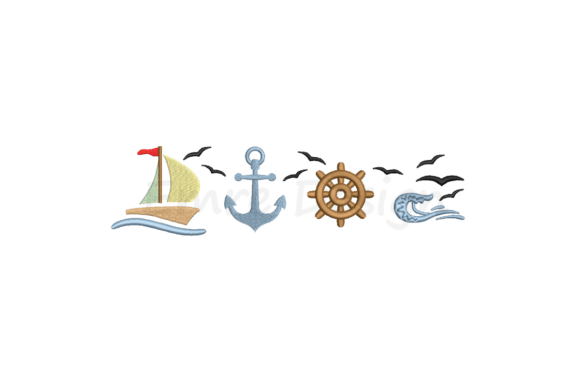
When I load the digital embroidery file into my software, the first thing I assess is the flow of the lines. Does it feel modern and crisp, or cluttered? For branded merchandise, clarity is king. If the design features intricate nautical elements like ropes, anchors, or waves, they need to hold their shape when stitched. The description promises to spruce up fabrics, which implies it should work well as an accent rather than overwhelming the entire garment. This makes it an excellent candidate for chest logos, sleeve details, or as a standalone embroidered patch.
Real-World Application for Branded Merchandise
The true test of any design is its performance across various substrates. Here is how the Nautical Embroidery Design translates into real business use cases:
- Embroidered Patches: This is arguably the strongest use case. Creating a woven or embroidered patch allows you to control the backing and density perfectly. These patches can be sewn onto denim jackets, canvas tote bags, or even used as product packaging accents. They add a tactile, handmade product feel that customers love.
- Staff Uniforms and Aprons: For a beachside bakery or florist, adding this design to apron embroidery creates instant team cohesion. It serves as a subtle brand marker that doesn't dominate the uniform but adds a layer of professionalism and thematic relevance.
- Cap Embroidery: Caps are a staple for promotional items. However, curved surfaces require careful digitizing. If the design is too tall or wide, it will pucker on a cap front. As a designer, I would recommend using a simplified version or a smaller scale of the Nautical Embroidery Design for caps to ensure a clean finish.
- Tote Bag Design: Canvas totes are heavy-duty and forgiving. This design works beautifully here, especially if you want to create limited-run merchandise for events or as customer gifts. The texture of the canvas complements the thread colors, making the design pop.
- Etsy Branding and Custom Apparel: For digital embroidery file buyers and crafters, this design offers a versatile asset. It can be used to customize plain t-shirts, towels, or home decor items, turning a basic inventory piece into a unique, branded item.
Critical Considerations for Production Success
While the potential is high, there are specific areas where the Nautical Embroidery Design requires careful handling to avoid costly mistakes in a commercial embroidery setting.
Size and Detail Limitations
One of the most common pitfalls is scaling. If you attempt to shrink this design for a tiny patch size or a small cap logo, the details may get lost. Tiny lettering or fine nautical outlines can become muddy if the stitch density is too high for the reduced area. Always check the minimum recommended size before committing to a run. If the design relies on thin lines, they may break during stitching on textured fabric.
Fabric Texture and Stabilizer Choice
The description mentions t-shirts, towels, and home decor. Each of these presents unique challenges. Towels have a looped pile that can swallow stitches, while dark uniforms require a different approach to visibility. You must test the design on the actual fabric texture before mass production. Using the proper stabilizer is non-negotiable; without it, the finished product will look distorted and unprofessional. For heavy items like hoodies or thick canvas, a cut-away stabilizer is often necessary to support the weight of the thread.
Color Contrast and Thread Selection
Thread colors make or break the perception of quality. A nautical theme often calls for blues, whites, and creams, but placing white thread on a light gray shirt might result in poor contrast. Always review your thread color palette against the base fabric. High stitch density in small areas can also lead to puckering, so adjust the pull compensation in your machine settings accordingly.
Impact on Brand Identity and Customer Trust
Why does the choice of design matter? Because every stitch contributes to your brand identity. A poorly executed embroidery job signals low quality to the customer, whereas a sharp, well-finished Nautical Embroidery Design builds trust and recognition. When a customer sees a consistent, high-quality mark on a tote bag, apron, or hat, they associate that professionalism with your entire business.
This design adds value by offering a visual story. It suggests a connection to the sea, leisure, and craftsmanship. For handmade brands, this narrative is powerful. It transforms a simple commodity into a piece of art. However, remember that consistency is key. Ensure that the design aligns with your other design assets, such as your logo, website graphics, and social media branding. A printable mockup is essential here; create one to show clients or stakeholders exactly how the design will look on the finished product before you spend money on materials.
Practical Designer Notes for Implementation
Before you purchase or produce, follow these steps to ensure success:
- Test in Black and White: Print the design outline in grayscale to check for spacing issues and line thickness without the distraction of color.
- Verify Hoop Size: Confirm that the design fits within your standard hoop sizes. If it requires a specialty hoop, factor that into your workflow efficiency.
- Conduct a Fabric Test: Stitch a sample on the exact material you plan to sell. Wash it to see how it holds up after frequent washing.
- Check Licensing: Before using this for commercial embroidery projects, confirm the license terms. Ensure you have the right to use the digital embroidery file for unlimited production or resale.
- Create a Mockup: Use a photo editing tool to place the design on images of your products. This helps in client approval and marketing.
In conclusion, the Nautical Embroidery Design is a strong contender for small business merch, provided it is treated with the respect of a professional asset. By understanding its limitations regarding size and fabric, and leveraging its strengths in creating a whimsical yet polished look, you can significantly enhance your product line. Whether for a local boutique, a creative studio, or an online store, this design offers the perfect blend of character and utility for your next custom apparel project.