Marijuana Cannabis Embroidery Design Review
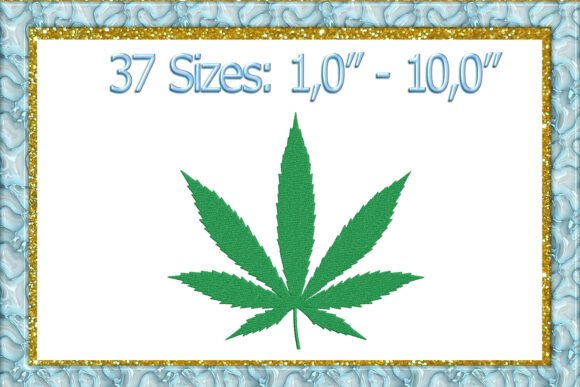
As I set up my booth for the upcoming weekend craft fair, I am sifting through my digital library to find the perfect Marijuana Cannabis Embroidery Design that will stop shoppers in their tracks. The market for handmade goods is shifting, and botanical themes are having a massive moment. When I first opened this specific file, labeled as a bold and clean marijuana leaf embroidery design offered in 37 sizes, I knew it had potential. However, potential does not always equal profit. My job as an experienced designer and maker is to determine if this machine embroidery design translates from a screen into a high-quality, sellable product that justifies its price tag on a crowded table.
First Impressions: Bold, Clean, and Versatile
The immediate visual impact of the Marijuana Cannabis Embroidery Design is striking. Unlike many intricate, lace-like patterns that can get lost on textured fabrics, this design leans heavily into a modern, graphic aesthetic. The description highlights that it is "bold and clean," which is music to my ears when planning batch production for a busy event. In the world of Single Flowers and botanical motifs, clarity is king. Shoppers at a craft fair do not have time to squint at tiny details; they need to see the design instantly.
This particular file feels less like a delicate garden flower and more like a statement piece. It carries a vibe that is simultaneously rustic and trendy, fitting perfectly with the current farmhouse-chic and urban-bohemian trends dominating Etsy and local markets. Whether you are aiming for a cute, playful look or a more edgy, modern statement, the clean lines of this embroidery file provide a solid foundation. It avoids the cluttered look that often plagues complex weed designs, ensuring that the finished product looks professional rather than amateurish.
Product Placement: Where This Design Sells Best
When I visualize my booth display, I immediately start mapping out where the Marijuana Cannabis Embroidery Design would perform best. The availability of 37 sizes is a game-changer for variety. Here is how I plan to utilize it across different craft fair products:
- Tote Bags and Market Bags: For these larger items, I will use one of the bigger sizes. A large, bold leaf centered on a canvas tote bag creates an instant focal point. The tote bag design becomes the hero of the display, drawing eyes from across the aisle.
- Apron Embroidery: Kitchen wear is a staple for handmade shops. Placing a medium-sized version on the chest pocket of a linen apron adds a touch of personality without overwhelming the garment. It signals a fun, approachable brand identity.
- Tea Towel Embroidery: Textured towels can be tricky, but the clean lines of this design hold up well. I plan to test this on a few samples to ensure the stitches don't sink too deeply into the weave, maintaining that crisp look.
- Embroidered Patches: This is perhaps the most versatile application. By creating patches in various sizes, I can offer customers a way to customize their own denim jackets, hats, or backpacks. This turns a single digital embroidery file into multiple revenue streams.
- Caps and Headwear: Curved surfaces require careful consideration, but the simple geometry of this leaf makes it ideal for caps. It avoids the distortion issues that complex floral arrangements often suffer from on rounded brims.
Production Practicality for Small Shop Owners
For the Etsy seller or boutique maker, efficiency is just as important as aesthetics. One of the biggest selling points of the Marijuana Cannabis Embroidery Design is its repeatability. Because the design is clean, it stitches quickly and consistently. This is crucial for commercial embroidery where you might need to produce twenty identical items in a single afternoon. High stitch density can slow down your machine and increase thread breakage, but this design appears optimized for speed without sacrificing quality.
However, practical production requires vigilance. Even with a "clean" design, you must account for fabric texture. On a thick, nubby towel, the smaller sizes might lose some definition. Conversely, on smooth cotton poplin, even the smallest size should remain legible. As I prepare my inventory, I am prioritizing fabrics that complement the bold nature of the leaf. Darker fabrics will require high-contrast thread colors, such as bright greens, golds, or stark whites, to make the design pop. Lighter fabrics allow for softer, pastel greens that appeal to a different demographic.
Visual Appeal and Customer Engagement
The success of a handmade product often hinges on how well it photographs for online listings and how it catches the eye in person. The Marijuana Cannabis Embroidery Design excels in both areas. Its strong silhouette makes it excellent for printable mockups used in social media marketing. Customers scrolling through Instagram or Pinterest will instantly recognize the shape, increasing click-through rates.
In a physical booth, this design serves as a conversation starter. It taps into a specific lifestyle and culture that resonates with a wide audience today. By offering this as a small shop product, you are aligning your brand with values of relaxation, nature, and self-expression. The visual weight of the leaf commands attention, making your booth stand out against competitors who may be using more traditional, subtle floral patterns. It elevates the perceived value of the item, allowing you to charge a premium for the craftsmanship and design uniqueness.
Designer Notes: Testing and Quality Control
Before committing to a full run of products, I always adhere to a strict testing protocol. Even the best design assets can behave unexpectedly depending on the machine and materials used. Here are my critical notes for anyone planning to use this Marijuana Cannabis Embroidery Design:
- Test on Scrap Fabric: Never skip this step. Run the design on the exact fabric you intend to sell. Check for puckering, especially on stretchy materials or thick canvas.
- Check Thread Contrast: Ensure the green shades you choose stand out against the background. Muddy colors can make a bold design look dull and cheap.
- Review Spacing and Hoop Size: With 37 sizes available, double-check that your hoop can accommodate the largest version you want to use. Ensure there is enough margin around the design so it doesn't get cut off during trimming.
- Inspect Stitch Density: Look closely at the center of the leaf. If the area is too dense, it may create a hard lump on the fabric. You may need to adjust the stabilizer settings to keep the back of the work clean.
- Use the Right Stabilizer: For items like tea towel embroidery or patches, a tear-away or cut-away stabilizer is essential to support the stitches and prevent sinking.
- Create Real Mockups: Do not rely solely on digital previews. Sew a real sample to show customers the texture and quality of the finished product.
- Confirm Licensing: Always verify your commercial rights. Ensure you have the proper license to sell finished goods containing this machine embroidery design. Understanding the terms protects your business from legal issues.
Final Verdict for the Creative Entrepreneur
The Marijuana Cannabis Embroidery Design is a robust addition to any maker's portfolio. It bridges the gap between trendy subject matter and timeless execution. Its bold, clean aesthetic ensures it remains visible and appealing whether viewed on a smartphone screen or held in a customer's hand at a bustling market. By leveraging the variety of sizes and focusing on high-quality production techniques, you can turn this single embroidery pattern into a diverse range of profitable items.
For those looking to expand their craft fair product line with something that speaks to the modern consumer, this design offers a reliable path forward. It is not just about the image; it is about the confidence you project through a well-executed, professional-looking stitch. With careful planning and attention to detail, this design can become a signature element of your brand, driving sales and engagement for seasons to come.