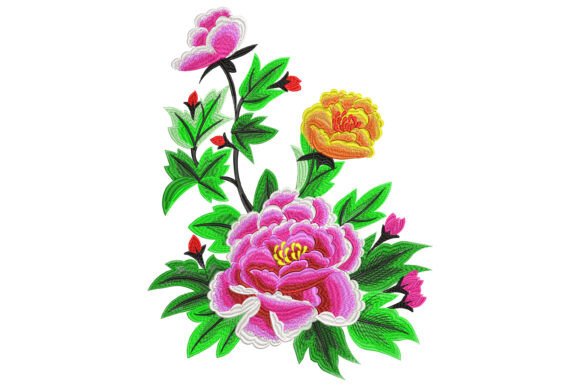
Blooming Peonies Embroidery: A Designer Review
As someone who spends their days staring at stitch simulations and troubleshooting hooping issues, I approach every new machine embroidery design with a mix of excitement and skepticism. When I first loaded the Blooming Peonies Embroidery file into my digitizing software, the promise of "lush elegance" caught my eye. In the world of Single Flowers, peonies are a staple, but they are notoriously difficult to execute without looking muddy or overly dense. This review isn't just about whether the file opens; it is about whether this design holds up under the pressure of real-world production for a small business or a high-end custom order.
First Impressions: The Mood and Visual Weight
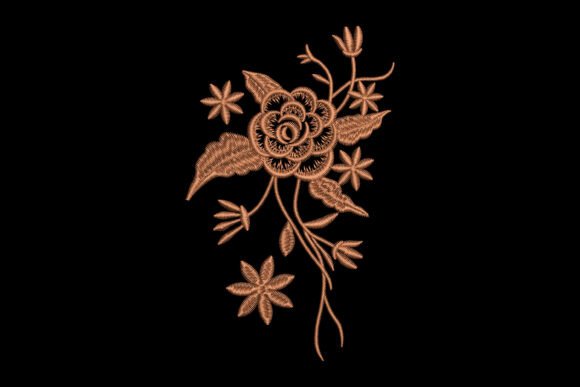
The initial visual impact of Blooming Peonies Embroidery is undeniably romantic. The layout captures that specific moment when a peony is fully open, radiating grace through soft, layered petals. Unlike many generic floral assets that rely on flat color blocks, this piece utilizes intricate stitching to create depth. You can see where the designer intended for the fill stitch to mimic the velvety texture of the flower, while the edges likely employ a delicate satin stitch to define the curves.
For an Etsy seller or boutique owner, this visual personality is a major asset. It moves away from the trendy, minimalist line art that saturates the market and leans into a classic, timeless aesthetic. However, the density of the petals suggests that this is not a design you should treat casually. It demands attention to detail in thread selection and fabric choice. If you are looking for a quick, low-stitch-count accent, this might be overkill. But if you need a centerpiece that commands respect on a finished product, the visual weight here is exactly what you want.
A Real-World Scenario: The Custom Tote Bag Project
To truly test the viability of Blooming Peonies Embroidery, let's imagine a specific project: creating a line of premium canvas tote bags for a local artisan market. These aren't cheap promotional items; they are meant to be durable, stylish carryalls sold at a higher price point. I visualize placing this floral design on the front pocket of a natural beige canvas bag.
In this scenario, the thread colors become critical. The description mentions "soft, layered petals," which implies a gradient effect. On a neutral canvas, using varying shades of blush, cream, and deep rose would make the flower pop without overwhelming the viewer. The embroidered patch style application could also work well here if the customer prefers a removable element. When I mentally stitch this out, I can see customers reaching for these bags because the embroidery feels substantial and handcrafted rather than printed. It elevates the perceived value of the item instantly, turning a simple canvas bag into a statement piece.
However, the success of this project hinges on execution. If the stitch density is too high for the weave of the canvas, the fabric will pucker, ruining the professional look. Conversely, if the stabilizer is insufficient, the intricate details of the petals might get lost in the background noise of the fabric texture. This is why testing is non-negotiable.
Navigating Fabric and Hoop Challenges
While Blooming Peonies Embroidery looks stunning on paper, its performance changes drastically depending on the substrate. Here is where practical experience separates the hobbyist from the pro. First, consider the hoop size. Peonies are large flowers by nature. If your hoop is too small, you risk cutting off essential parts of the bloom, making the design look truncated and unbalanced. Always verify the dimensions against your machine's capabilities before committing to a run.
Fabric choice is equally important. This design shines on medium-to-heavyweight fabrics like denim, twill, or thick cotton blends. It would struggle on thin, stretchy materials like jersey knit or silk unless heavily stabilized. On dark fabrics, the light-colored petals might require a backing layer of white tonal thread or even a applique design technique to ensure visibility and prevent the fabric color from bleeding through the stitches.
Be cautious with textured fabrics. If you attempt this on a chunky cable-knit sweater or a nubby linen, the fine details of the petal layers may disappear into the fabric's texture. Similarly, curved surfaces like caps present a challenge. The complex geometry of the flower needs a relatively flat surface to maintain its shape. Attempting this on a structured cap front is possible, but the tension management becomes critical to avoid distortion.
Strategic Use for Commercial and Personal Projects
For the craft business owner, this digital embroidery file offers versatility across several product lines. Beyond the tote bags mentioned earlier, consider sweatshirt embroidery for a cozy, vintage-inspired look. Placing a single, large bloom on the chest or back of a heavyweight hoodie creates a striking focal point. For baby embroidery, a smaller version (if scalable) on a bib or blanket adds a touch of sophistication that parents love for nursery decor.
Holiday embroidery projects also benefit from this design. Imagine a set of kitchen towels or aprons featuring these peonies as a spring-themed gift. The "grace and romance" described in the product details translate perfectly into wedding gifts or bridal party accessories. The design has enough character to stand alone without needing accompanying text, which is a huge plus for personalized gift creation where space is limited.
However, there are boundaries. Do not use this design for items that require frequent, harsh washing, such as gym wear or children's play clothes, unless you are certain the thread and stabilizer can withstand the abrasion. The intricate nature of the petals means that loose threads or fraying will be immediately noticeable, damaging the finished product's reputation.
Practical Designer Notes for Success
If you decide to integrate Blooming Peonies Embroidery into your workflow, follow these steps to ensure a flawless result:
- Test on Scrap Fabric: Never skip the test run. Stitch the design on a scrap piece of the exact fabric you intend to use. Check for puckering, registration errors, and thread breaks.
- Check Thread Contrast: Ensure the thread colors provide enough contrast against the fabric. Subtle shading works best on light backgrounds, while darker fabrics may need brighter accents.
- Review Stitch Density: Look closely at the digital preview. If areas seem too crowded, you may need to adjust the pull compensation or reduce the density in your machine settings to prevent fabric distortion.
- Confirm Licensing: Before selling any commercial embroidery items or offering this as a digital product, verify the license terms. Some designs allow personal use only, while others permit commercial sales of finished goods.
- Use Proper Stabilizer: Given the intricate detailing, a cut-away stabilizer is often safer than tear-away for long-term durability, especially on stretchy or heavy fabrics.
- Mockup in Black and White: Create a printable mockup in grayscale to assess the value distribution. This helps identify areas where shadows might get lost or highlights might wash out.
Ultimately, Blooming Peonies Embroidery is a powerful tool for designers who understand how to manage complexity. It brings a level of sophistication that mass-market designs often lack. Whether you are decorating a single custom apparel piece for a client or building inventory for your small shop product line, this design has the potential to elevate your brand. Just remember that the beauty lies not just in the file itself, but in the care you take to bring it to life on the fabric.