DST Japanese Style Embroidery Font Review
Elevating Small Business Merch with Eastern Elegance
As a professional embroidery designer who has spent years curating Embroidery Fonts for boutique brands and local businesses, I constantly search for designs that bridge the gap between traditional craftsmanship and modern branding. Recently, I had the opportunity to review the DST Japanese Style Embroidery Font, a digital asset promising to bring an elegant touch of the East to machine embroidery projects. For small business owners looking to differentiate their merchandise, this font offers a unique aesthetic, but it requires careful consideration before it hits the production line.
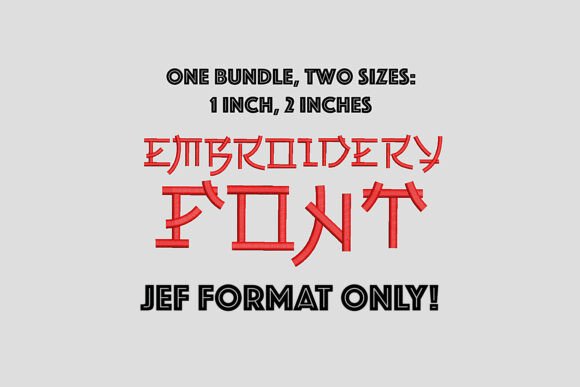
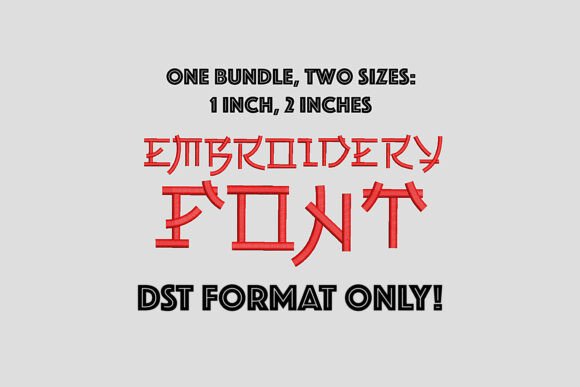
The core appeal of this design lies in its fusion of Latin alphabet characters A–Z with Kanji-inspired strokes. It is not merely a decorative script; it is a structural statement. When evaluating a machine embroidery design for commercial use, my first priority is whether the visual weight translates well across various mediums. The DST Japanese Style Embroidery Font immediately stands out as a premium option for brands seeking a sophisticated, artisanal look. However, because it is available only in .DST format, it is strictly intended for industrial or high-end domestic machines capable of reading this specific file type. This limitation ensures precision but demands that your equipment is compatible before you purchase.
First Impressions: Professionalism Meets Artisan Craft
Upon loading the DST Japanese Style Embroidery Font into my digitizing software, the character structure feels bold yet fluid. Unlike standard block letters often seen on generic work shirts, these characters mimic the brushwork of calligraphy while maintaining the geometric integrity required for stitching. For a handmade brand, a florist, or a specialty café, this font conveys a sense of heritage and attention to detail. It suggests that the product behind the logo is crafted with care, which is crucial for building brand identity.
In the context of small business merch, this font works exceptionally well as a subtle accent rather than a shouty headline. Imagine a linen tote bag for a boutique bakery featuring the shop name in this style. The intricate lines of the font interact beautifully with the natural texture of the fabric, creating a tactile experience that customers love. Similarly, on a staff apron, the font elevates the uniform from a simple utility item to a piece of branded apparel that reflects the establishment's culture.
Real-World Applications for Branded Products
The versatility of the DST Japanese Style Embroidery Font extends across several key categories for custom apparel and promotional items. Here is how I envision integrating this embroidery file into a cohesive product line:
- Embroidered Patches: This is perhaps the most effective use case. By creating a patch using this font, you can attach it to denim jackets, canvas backpacks, or heavy cotton hoodies. The distinct style of the letters holds up well against the background fabric of a patch, making the text pop without needing excessive outlining.
- Cap Embroidery: For front-panel designs on baseball caps, the font offers a striking alternative to standard serif or sans-serif options. However, due to the curvature of the cap, spacing must be adjusted carefully to prevent the delicate strokes from merging.
- Tote Bag Design: Large-format totes provide ample space for the full range of the alphabet. Using this font for a brand name on a reusable shopping bag creates a memorable visual that encourages customers to carry your brand message around town.
- Product Labels and Hangtags: For handmade products like soaps, candles, or knitwear, a small embroidered label using this font adds a layer of luxury. It signals quality and justifies a higher price point.
- Event Merchandise: If your business hosts workshops or pop-up events, custom t-shirts or tote bags featuring this font serve as excellent keepsakes that attendees will actually want to wear.
Critical Considerations for Production Success
While the aesthetic potential is high, every professional designer knows that beautiful fonts can be tricky to stitch. The DST Japanese Style Embroidery Font features varying stroke widths and intricate details that require specific handling to ensure a flawless finished product.
Stitch Density and Detail: One of the primary challenges with Kanji-inspired designs is managing stitch density. If the density is too low, the thin strokes may break or appear fuzzy. If it is too high, the fabric may pucker, especially on lightweight materials. I always recommend testing the font at different densities to find the sweet spot where the design remains crisp without distorting the fabric.
Fabric Texture and Stabilizer: This font shines on smooth, medium-weight fabrics like twill, cotton blends, and denim. On highly textured fabrics like heavy wool or loose knits, the fine details might get lost. Always use a high-quality stabilizer appropriate for the fabric weight. A tear-away stabilizer might suffice for stiff patches, but a cut-away is essential for stretchy garments to maintain the shape of the intricate lettering over time.
Size Limitations: While the font looks great large, do not shrink it too much. Tiny lettering with complex curves can become illegible after washing. For cap embroidery or small sleeve details, ensure the minimum height allows the character details to remain distinct. I advise creating a printable mockup at the intended size before committing to thread and fabric.
Strategic Branding and Customer Perception
Choosing the right design assets is about more than just aesthetics; it is about psychology. The DST Japanese Style Embroidery Font communicates exclusivity and cultural appreciation. For a local coffee shop, it suggests an authentic, curated experience. For a fashion brand, it implies a global, modern sensibility. This visual consistency across your commercial embroidery projects builds customer trust. When clients see a consistent, high-quality font on your apron embroidery, your packaging, and your staff uniforms, they perceive your business as established and professional.
Furthermore, in the crowded marketplace of Etsy sellers and crafters, standing out is vital. Generic fonts are everywhere. Using a distinctive digital embroidery file like this one makes your products instantly recognizable. It transforms a standard t-shirt into a collectible item. The "handmade" feel of the font aligns perfectly with the values of consumers who support small businesses and value artisanal quality.
Designer Notes for Implementation
Before you integrate the DST Japanese Style Embroidery Font into your production workflow, follow these practical steps to avoid costly mistakes:
- Test in Black and White: Run a test stitch on a scrap piece of fabric using black thread first. This helps you identify any gaps in coverage or issues with underlay without wasting expensive colored thread.
- Check Thread Color Contrast: Because the font relies on fine lines, ensure there is high contrast between the thread and the fabric. Light gray thread on a white shirt will likely fail to show the intricate details.
- Confirm Hoop Size: Verify that the entire word or phrase fits within your machine's hoop. Some long names may need to be split or resized, which could affect the flow of the design.
- Review Licensing: Ensure you have the proper rights to use this embroidery file for commercial purposes. Since it is a purchased digital asset, confirm that the license covers the volume of small business merch you intend to produce.
- Inspect Spacing: Adjust the kerning (spacing between letters) manually if necessary. The unique shapes of the characters might require slightly more space than standard fonts to prevent threads from tangling.
In conclusion, the DST Japanese Style Embroidery Font is a powerful tool for designers and business owners who want to inject personality and elegance into their products. It is not a one-size-fits-all solution, but when used correctly on the right materials, it delivers a premium look that enhances brand value. Whether you are producing a limited run of embroidered patches for a loyal customer base or outfitting your entire team with stylish uniforms, this font offers a distinctive edge that sets your business apart in a competitive market.