Digital Abstract Shape Embroidery File Review
As a designer who has spent years navigating the gap between digital files and physical stitched goods, I approach every new Digital Abstract Shape Embroidery File with a mix of curiosity and skepticism. The market is flooded with generic patterns that look great on a screen but fall apart under the pressure of a high-speed machine. When I first opened this specific file, I wasn't looking for just another decorative motif; I was looking for a versatile asset that could elevate a simple tote bag or transform a basic pillow cover into a boutique-worthy statement piece.
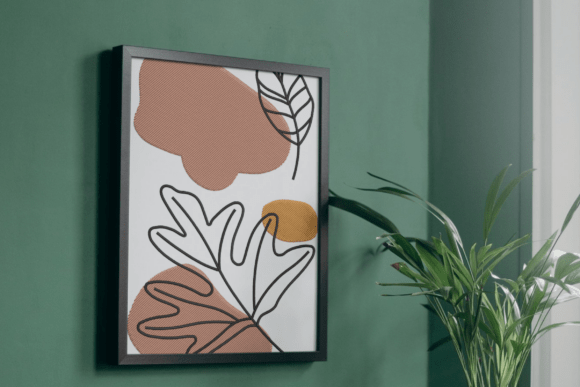
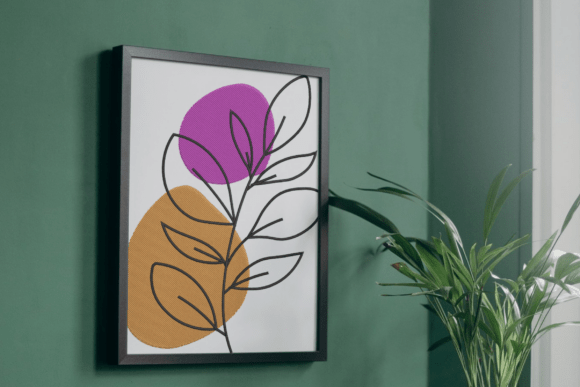
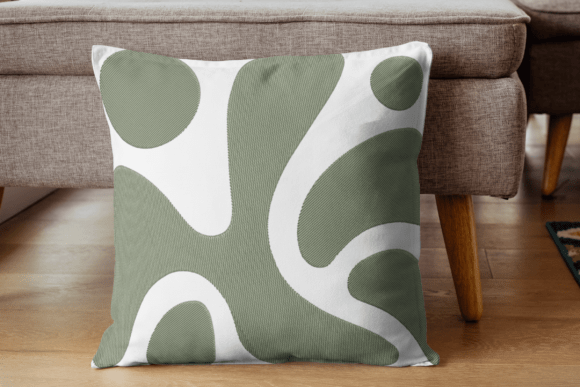
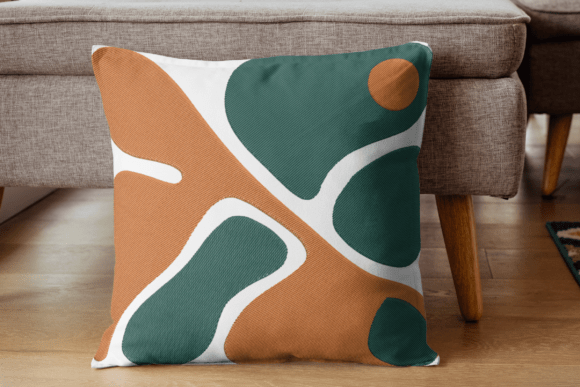
The immediate visual impact of this design is undeniable. It leans heavily into modern aesthetics, utilizing organic curves that feel fluid rather than rigid. The description promises earthy tones, which immediately signals its potential for contemporary décor projects. Unlike the sharp, geometric Shapes that dominated trends a few years ago, this design breathes. It feels like it belongs in a curated living room or on a high-end handmade product shelf. However, a pretty preview image only tells half the story. The real test lies in how the Digital Abstract Shape Embroidery File translates to thread, stabilizer, and fabric.
Visual Personality and Design Intent
From a design perspective, the layout of this machine embroidery design is balanced without being symmetrical. This asymmetry is crucial for modern branding and custom apparel. If you are an Etsy seller or a small shop owner trying to create a cohesive collection, this file offers a distinct visual personality. The organic lines suggest movement, making it ideal for items that interact with the body, such as a sweatshirt back print or a flowing apron.
What stands out most is the implied use of fill stitch versus satin stitch. In my experience, designs with broad, curving areas often rely on fill stitches to create texture. For this particular embroidery file, the density appears moderate, which is a positive sign. Overly dense fills can cause puckering on softer fabrics, ruining the drape of a garment. This design seems to leave enough negative space to allow the fabric to breathe, a critical factor when considering custom apparel where comfort meets style.
Real-World Application: The Statement Pillow Project
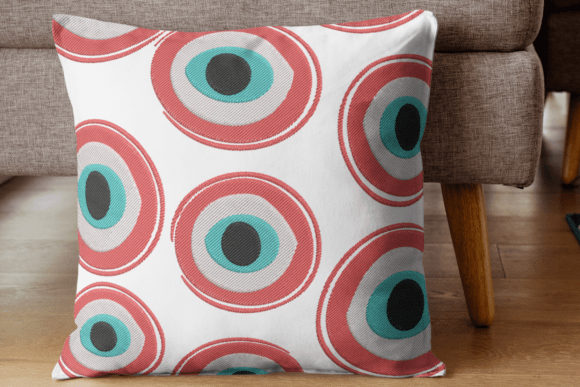
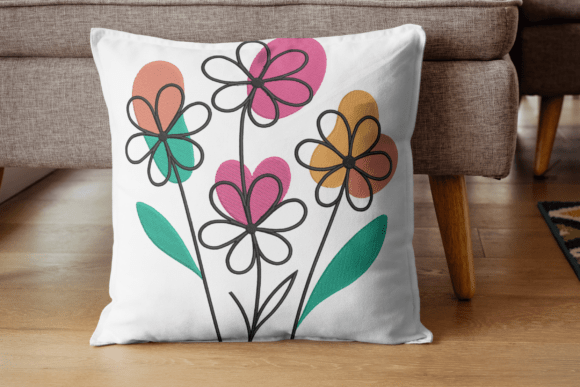
To truly evaluate the Digital Abstract Shape Embroidery File, I mentally walked through a recent client request for a set of statement pillows. The client wanted something "earthy" and "modern," exactly what this design promises. Imagine stitching this onto a linen pillow cover in a sage green or terracotta hue. The organic curves would complement the natural texture of the linen beautifully.
In this scenario, the stitch density becomes the deciding factor. If the file were too dense, the linen might pucker around the edges of the abstract forms. If it were too sparse, the design would lack the boldness required for wall art or a focal point on a sofa. Based on the visual weight of the design, it seems optimized for medium-weight fabrics. This makes it a strong candidate for finished products intended for home décor. A customer buying a handmade pillow with this embroidery expects a professional finish, and this file delivers the necessary visual clarity to justify a premium price point.
Navigating Fabric Challenges and Limitations
While the design excels on stable surfaces like pillow covers or canvas tote bags, there are scenarios where caution is required. As any experienced maker knows, not all embroidery project ideas work on every material. If you attempt to use this Digital Abstract Shape Embroidery File on thin jersey knit for a baby onesie, the sheer size and density of the organic shapes could distort the fabric.
Similarly, working on dark fabrics requires careful consideration of thread colors. The earthy tones mentioned in the description likely include lighter shades. Stitching light threads over a black background without a proper backing or underlay can result in a muddy appearance. You must ensure your hoop size accommodates the full extent of the design while allowing for adequate tension control. On stretchy fabrics, the pull of the needle can warp these delicate curves, turning elegant lines into jagged messes. Always test the design on scrap fabric first, especially if you are dealing with textured materials or layered garments.
Strategic Use for Craft Businesses and Sellers
For the Etsy seller or creative entrepreneur, this digital embroidery file represents more than just a pattern; it is a tool for brand consistency. The modern aesthetic allows it to fit seamlessly into a collection of personalized gifts or holiday merchandise. Think of a holiday gift set featuring this design on kitchen towels or tea towels. The neutral, earthy palette ensures it doesn't clash with existing home decor, increasing its appeal to buyers.
However, before listing items made with this design, you must confirm the licensing terms. Many commercial embroidery assets have restrictions on selling finished goods versus selling the digital file itself. Ensure you have the right to sell the handmade product to avoid legal issues down the line. Additionally, consider how this design looks in printable mockups. A clear, high-quality preview helps buyers visualize the final result, boosting buyer engagement and trust.
Practical Designer Notes for Success
- Test First: Never skip the test run on scrap fabric. Check for puckering and ensure the running stitch outlines hold their shape.
- Stabilizer Selection: Given the organic nature of the curves, a cutaway stabilizer might be necessary for knits to prevent distortion, while tear-away works well for wovens.
- Color Contrast: Verify that the thread colors pop against your chosen fabric. Earthy tones can disappear on similarly colored backgrounds.
- Hoop Size Verification: Confirm the dimensions of the Digital Abstract Shape Embroidery File match your machine's capabilities. Large abstract designs may require a larger hoop than standard 4x4 setups.
- Licensing Check: Always review the license agreement before using the file for small business merchandise or commercial resale.
Ultimately, the Digital Abstract Shape Embroidery File is a solid addition to a professional designer's library. It bridges the gap between trendy aesthetics and practical application. While it demands attention to fabric choice and stabilizer use, the payoff is a sophisticated, modern look that elevates any embroidered patch, tote bag design, or home décor item. By respecting its limitations and leveraging its strengths, you can create finished products that stand out in a crowded marketplace, proving that thoughtful design execution is just as important as the file itself.