Cute Bunny Riding Bicycle Embroidery Review
As a professional embroidery designer who has spent years translating digital files into tangible brand assets, I approach every new design with a critical eye. When reviewing the Cute Bunny Riding Bicycle Embroidery, my focus shifts immediately from personal craft to commercial viability. For small business owners, Etsy sellers, and apparel decorators, a design is not just an image; it is a vehicle for brand identity. This specific machine embroidery design promises a charming and playful vibe, but does it hold up under the scrutiny of professional production? Let’s dive into how this design performs when moved from the screen to real-world merchandise.
First Impressions: Visual Personality and Brand Fit
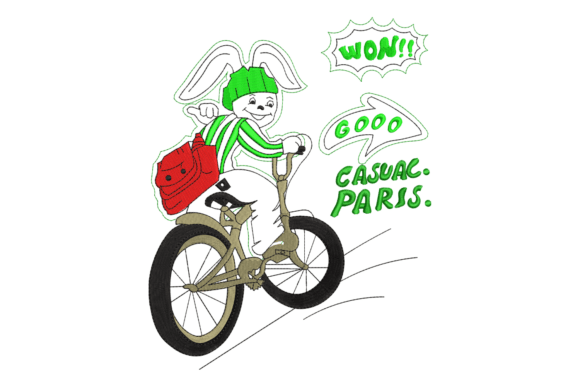
The initial look at the Cute Bunny Riding Bicycle Embroidery suggests a design rooted in whimsy and nostalgia. The imagery of a bunny on a bicycle inherently evokes feelings of springtime, movement, and gentle fun. In the context of brand identity, this aesthetic leans heavily toward the friendly, handmade, and approachable. It is not a bold, corporate logo, nor is it a rustic, distressed graphic. Instead, it occupies a sweet spot perfect for boutique brands, children's boutiques, bakeries, and lifestyle shops that want to communicate warmth.
For a florist or a local café, this design could serve as a delightful accent on staff aprons, instantly softening the uniform and making employees appear more welcoming. However, its effectiveness relies on execution. A design that feels too "cartoony" can undermine professionalism if not balanced correctly. The key is to ensure the lines are clean and the character proportions are maintained, even when scaled down. If you are building a brand around premium, minimalist aesthetics, this might feel too busy. But for businesses targeting families, parents, or those seeking a cozy, artisanal feel, the Cute Bunny Riding Bicycle Embroidery offers a strong visual hook.
Performance in Real Business Applications
When we move beyond the concept and look at application, the versatility of this embroidery file becomes apparent. Here is how I see it performing across various small business merch categories:
- Embroidered Patches: This design is ideally suited for creating high-quality embroidered patches. Whether attached to denim jackets, tote bags, or backpacks, a patch allows for higher stitch density without worrying about fabric distortion. It creates a collectible item that customers love to trade or display.
- Custom Apparel and Uniforms: On work shirts or aprons, placing the bunny on the chest pocket or the upper back works well. It acts as a subtle branding element rather than a massive billboard. For a bakery, imagine this on a chef's apron—it adds personality without cluttering the workspace.
- Cap Embroidery: While caps require careful scaling, the silhouette of the bicycle and bunny is distinct enough to work on a flat cap front. It avoids the common pitfall of getting lost in the curve of the brim, provided the hoop size is managed correctly.
- Tote Bag Design: Tote bags are a staple for eco-conscious brands. This design fits perfectly on canvas, offering a pop of color and charm that elevates a simple bag into a branded accessory.
- Product Packaging Accents: For handmade product labels or tags, a smaller version of this design can add a touch of luxury and care, signaling that the brand pays attention to detail.
In the realm of commercial embroidery, the ability to adapt a single digital embroidery file across these different mediums is crucial for cost efficiency. The Cute Bunny Riding Bicycle Embroidery passes this test, offering a consistent visual asset that strengthens recognition across your product line.
Strategic Considerations and Potential Pitfalls
While the design is promising, experienced decorators know that not every design works everywhere. There are specific scenarios where the Cute Bunny Riding Bicycle Embroidery requires caution.
First, consider small patch sizes. If you attempt to shrink this design below 2 inches, the details of the bicycle wheels and the bunny's features may blur. High stitch density in a tiny area can lead to puckering or thread breakage. Always verify the minimum recommended size before committing to production runs.
Second, be mindful of curved surfaces like the front of a baseball cap. The bicycle frame involves straight lines and curves that must remain true. If the stabilizer is insufficient, the design may warp, making the bunny look lopsided. Similarly, on textured fabrics like heavy wool or thick terry cloth, the intricate details might get lost in the weave.
Third, dark uniforms present a challenge. If the original design relies on light thread colors against a dark background, you will need a dense underlay or a backing patch to prevent the fabric color from showing through. Without proper planning, the design can look muddy and unprofessional.
Finally, items requiring frequent washing, such as daily-use aprons, demand robust stitching. Ensure the thread colors have good contrast and the knotting is secure. A design that fades or unravels after a few washes damages customer trust and reflects poorly on your brand quality.
Impact on Brand Identity and Customer Trust
The choice of design directly influences how customers perceive your business. Using the Cute Bunny Riding Bicycle Embroidery signals that your brand is creative, family-friendly, and attentive to detail. In a crowded market, unique design assets help you stand out. When a customer sees a consistent, well-executed motif on your tote bags, caps, and packaging, it builds visual consistency and reinforces brand memory.
Furthermore, high-quality embroidery increases the perceived value of your products. A printed logo often looks cheaper than a stitched one. By investing in a professional machine embroidery design, you elevate your finished product from a commodity to a keepsake. This tactile quality fosters buyer engagement and encourages repeat purchases. Customers are more likely to wear and display merchandise that feels substantial and well-made.
Practical Designer Notes for Production
Before you integrate this design into your workflow, follow these practical steps to ensure success:
- Test in Black and White First: Run a test stitch using a single thread color to check the flow of the design. This reveals any spacing issues or potential jump stitches that might cause problems.
- Verify Hoop Size: Confirm that your embroidery machine's hoop can accommodate the full design without cutting off the wheels or ears. Check the file specifications for the required dimensions.
- Select the Right Stabilizer: Depending on the fabric texture, use a cutaway stabilizer for knits or a tear-away for wovens. Proper stabilization is non-negotiable for maintaining the shape of the bicycle and bunny.
- Create a Printable Mockup: Before running a bulk order, create a mockup for client approval. This ensures the scale and placement align with their vision.
- Check Commercial Licensing: Always confirm the licensing terms of the digital embroidery file. Ensure you have the right to use it for commercial embroidery projects and selling finished goods.
- Compare Design Assets: Place the Cute Bunny Riding Bicycle Embroidery next to your other logos and text elements. Does it clash? Does it complement? Consistency is key.
In conclusion, the Cute Bunny Riding Bicycle Embroidery is a versatile asset for small businesses looking to inject personality into their merchandise. With careful attention to stitch density, fabric choice, and scaling, it can become a cornerstone of your brand's visual language. As with any embroidery file, testing is essential, but the potential for creating memorable, high-value custom apparel makes this design a worthy addition to your library.