Coquette Cherry Embroidery Design Review
As I set up my booth for the upcoming weekend craft fair, the table is already a mosaic of potential bestsellers. There are stacks of linen tote bags, crisp white aprons, and an array of tea towels waiting to be transformed. Today, I am putting the Coquette Cherry Embroidery Design through its paces to see if it has what it takes to become a flagship item for my handmade shop. In the competitive world of craft fairs and Etsy listings, a design must do more than just look good on a screen; it needs to translate beautifully into a tangible product that stops a customer in their tracks.
First Impressions: A Whimsical Summer Staple
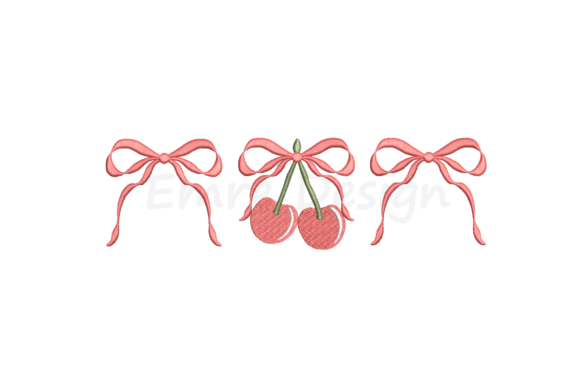
When I first loaded the Coquette Cherry Embroidery Design into my machine software, the aesthetic was immediately clear. It exudes a playful, feminine charm that fits perfectly within the current trends for Summer collections. The term "coquette" suggests a soft, romantic, and slightly vintage vibe, while the cherry motif adds a pop of bold color and fun. This combination creates a design that feels both nostalgic and modern. For a craft fair seller, this is a sweet spot. It appeals to the customer looking for something cute but not childish, making it versatile enough for teens and adults alike.
The design does not feel overly rustic or farmhouse-heavy; instead, it leans towards a decorative, boutique style. If you are a digital seller or a creative entrepreneur building a brand around cheerful, high-quality goods, this machine embroidery design offers a strong visual hook. It promises personality, which is exactly what buyers want when they choose a handmade product over mass-produced alternatives.
Product Performance: Where Does It Shine?
In my testing phase, I evaluated how the Coquette Cherry Embroidery Design performs across various substrates. The goal is to identify which items will yield the highest return on investment for your time and thread costs.
Tote Bags and Market Goods
The most immediate application for this design is on canvas tote bags. The sturdy fabric provides a perfect backdrop for the vibrant reds and greens typically associated with cherries. When placed as a central focal point on a natural beige or cream-colored bag, the design pops. As a tote bag design, it works exceptionally well because the scale allows the details of the cherries and any accompanying ribbons or bows to remain visible from a distance. This is crucial for a busy craft fair where customers scan tables quickly.
Kitchen Textiles: Aprons and Tea Towels
For home decor enthusiasts, apron embroidery and tea towel embroidery are perennial favorites. The whimsical nature of the Coquette Cherry theme makes it an ideal choice for kitchen linens. On a white cotton tea towel, the design feels fresh and summery. However, placement matters. On an apron, positioning the design on the chest pocket area creates a charming accent, whereas placing it lower on the bib might get lost if the apron is too large. The design holds its own as a statement piece here, elevating a simple cotton item into a giftable luxury.
Patches and Caps
One of the most profitable uses for a digital embroidery file is creating embroidered patches. The Coquette Cherry motif is distinct enough to work as a standalone patch that can be sewn onto denim jackets, backpacks, or hats. For caps, the curved surface requires careful attention, but the rounded shapes of cherries generally adapt well to the dome of a hat. This versatility allows small shop owners to diversify their inventory without needing entirely new design assets.
Practical Production and Selling Points
From a production standpoint, efficiency is key. A design that looks great but takes twenty minutes to stitch per unit will eat into your profit margins. The Coquette Cherry Embroidery Design appears to strike a balance. It is detailed enough to look premium but not so dense that it slows down the machine excessively. This makes it highly repeatable for batch production, which is essential when preparing for a large market event or fulfilling a surge of Etsy orders.
Photography is another critical factor. In the digital age, your printable mockup or listing photos often make the sale before the customer ever touches the product. This design photographs beautifully due to its color contrast and recognizable subject matter. The texture of the stitches adds depth to the image, conveying quality and craftsmanship instantly. For an Etsy seller, having a design that translates well from camera to reality reduces the risk of returns and increases buyer confidence.
Designer Notes: Avoiding Common Pitfalls
While the design is promising, experienced embroiderers know that every file comes with challenges. Here are my specific notes for ensuring the finished product meets professional standards.
- Stitch Density and Fabric Texture: Cherries often involve satin stitching for the fruit body. On textured fabrics like terry cloth towels, ensure the stitch density is high enough to prevent the fabric loops from showing through. You may need to use a cutaway stabilizer rather than tear-away to maintain the integrity of the design.
- Small Details and Scaling: If the design includes tiny leaves or small text, be cautious about scaling it down. On smaller items like pouches or the brim of a cap, these details can blur or disappear. Always check the minimum size recommendation in the embroidery file description.
- Thread Colors and Contrast: The magic of this design lies in its colors. Using standard reds and greens on dark fabrics can result in a muddy appearance. Test the design on scrap fabric first to confirm thread colors provide sufficient contrast against your chosen background. Lighter backgrounds generally yield the crispest results for this specific aesthetic.
- Hoop Size Constraints: Before committing to a full run, verify the hoop size required. If the design is larger than your standard 5x7 hoop, you may need to reposition the fabric mid-stitch, which introduces alignment risks. Ensure your setup minimizes these interruptions.
Maximizing Visual Appeal and Sales
The ultimate goal of using the Coquette Cherry Embroidery Design is to drive engagement. At a craft fair, visual appeal dictates foot traffic. A display featuring embroidered pillow covers, colorful pouches, and bright tote bags with this design creates a cohesive and inviting booth presence. It signals to the customer that this is a curated collection of high-quality commercial embroidery products.
Furthermore, the design enhances the perceived value of the item. A plain $10 tote bag becomes a $25 artisanal accessory once it features a professionally stitched cherry motif. This increase in value allows boutique makers to price their goods competitively while maintaining healthy margins. Consistency is also vital; using the same design across multiple product types helps build brand recognition. Customers who love the design on a towel may return later to buy the matching apron or patch.
Final Checklist for Makers
Before you begin mass-producing items with the Coquette Cherry Embroidery Design, run through this final checklist to ensure success:
- Test the design on a scrap piece of the exact fabric you plan to sell.
- Confirm the licensing terms allow for commercial embroidery sales of finished goods.
- Create at least one physical mockup to photograph for your online store.
- Review the spacing between elements to ensure no parts overlap awkwardly.
- Select the appropriate stabilizer based on the weight and texture of your fabric.
In conclusion, the Coquette Cherry Embroidery Design is a strong contender for any summer collection. It balances whimsy with practicality, offering craft fair sellers and digital entrepreneurs a versatile tool to elevate their product lines. By paying attention to production details and selecting the right applications, you can turn this charming digital embroidery file into a revenue-generating staple for your handmade business.