Classic Cowboy Spur Embroidery Design Review
As I set up my table for the upcoming weekend craft fair, the air is already thick with the scent of fresh linen and the hum of anticipation. My booth needs to tell a story immediately. In the world of handmade products, you have seconds to grab a customer's eye before they move on to the next stall. Today, I am putting the Classic Cowboy Spur Embroidery Design under the microscope. This isn't just about downloading a digital file; it is about understanding how this specific machine embroidery design translates into a sellable, tangible craft fair product that stands out in a crowded marketplace.
First Impressions: Rustic Charm Meets Modern Appeal
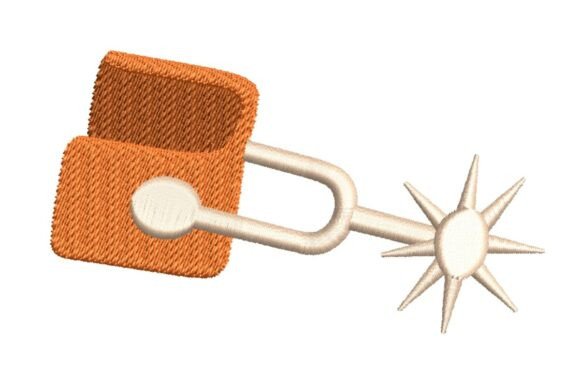
When I first loaded the Classic Cowboy Spur Embroidery Design into my software, the aesthetic hit me instantly. It feels undeniably rustic yet possesses a clean, modern silhouette that avoids looking cluttered or overly dated. The description highlights a stylized cowboy spur featuring a textured orange-brown leather strap connected to a light beige or off-white metal component. This color palette is a goldmine for the current farmhouse and Western trends dominating Etsy and local markets.
The design does not feel cheap or generic. Instead, it exudes a sense of premium quality. For an embroidery business owner, finding a design that balances "cute" with "elegant" is rare. This piece leans towards the elegant side of rustic, making it versatile enough for a high-end boutique maker or a casual small shop product line. The visual weight of the spur suggests durability and tradition, which are powerful selling points for customers looking for gifts that feel substantial.
Product Versatility: Where Does It Shine?
In preparing my booth display, I evaluated where this embroidery file would perform best. The answer lies in its ability to anchor a product without overwhelming it. Here is how I plan to utilize the Classic Cowboy Spur Embroidery Design across different items:
- Tote Bags and Market Bags: A large placement on a natural canvas tote bag creates an instant statement. The contrast between the orange-brown thread and raw cotton fabric will pop from across the room. This is a classic craft fair product that sells well as a reusable shopping bag or a beach accessory.
- Apron Embroidery: Placing the spur on the bib of a denim or heavy cotton apron adds a touch of personality to kitchen wear. It transforms a utilitarian item into a conversation starter, perfect for the home cook who loves Western decor.
- Tea Towel Embroidery: While delicate, this design works beautifully on tea towels if the stitch density is managed correctly. The texture of the towel mimics the "leather" description in the design, adding depth to the finished product.
- Embroidered Patches: For those who want to sew rather than embroider directly, creating patches allows for maximum versatility. Customers can iron them onto jackets, hats, or bags, expanding the potential market for your handmade goods.
- Caps and Pillow Covers: On a curved cap surface, the design must be tested carefully, but on a square pillow cover, it serves as a stunning focal point for living room decor.
Production Realities: Density, Stabilizers, and Fabric
As a professional designer, I know that a beautiful preview does not always guarantee a smooth run on the machine. The Classic Cowboy Spur Embroidery Design includes textured elements, specifically the leather strap area. This implies a higher stitch count in specific zones to create that illusion of texture. Before running a batch for commercial embroidery production, I always test the design on scrap fabric first.
One critical factor here is the stabilizer. If you are working with textured towels or thick denim for aprons, you cannot skip the backing. The dense areas of the spur require strong support to prevent puckering, which can ruin the look of a high-quality handmade product. I recommend using a cutaway stabilizer for stretchy fabrics like jersey caps and a tear-away for stable wovens like tote bags.
Thread colors are another vital consideration. The design calls for orange-brown and light beige. These are earth tones that photograph exceptionally well for online listings. However, on dark fabric, the light beige might get lost unless outlined or backed with a white layer. As an Etsy seller, I ensure my printable mockups show the design on both light and dark backgrounds so customers understand the limitations and possibilities.
Selling Strategy: Visual Appeal and Customer Engagement
Why should a customer buy a tote bag with this specific design? Because it taps into a specific lifestyle aspiration. The Classic Cowboy Spur Embroidery Design signals adventure, heritage, and a love for the outdoors. When displayed on a table alongside other Western-themed items, it creates a cohesive brand identity. Consistency is key for boutique makers; having a signature motif helps buyers remember your shop.
From a marketing perspective, this design photographs beautifully. The metallic sheen of the beige thread against the matte brown creates a dynamic visual interest that flat prints cannot replicate. In a physical booth, the 3D nature of the embroidery catches the light as customers walk by, drawing their attention to the texture. This tactile element increases perceived value. A customer is often willing to pay more for an embroidered item than a printed one because they recognize the time and skill involved in the stitching process.
Practical Designer Notes for Success
If you are planning to use the Classic Cowboy Spur Embroidery Design for your own business, keep these practical notes in mind to ensure success:
- Check Hoop Size: Verify the dimensions of the embroidery file against your hoop. If the design is too large for your machine, you may need to resize it, which can affect stitch quality. Always confirm the hoop size requirements before purchasing.
- Inspect Stitch Density: Run a test on a similar fabric to your final product. If the "leather" texture looks too dense, it may cause fabric distortion. Adjusting pull compensation in your software might be necessary.
- Fabric Texture Matters: Avoid highly textured fabrics like terry cloth for small details. The loops in the fabric can hide fine stitches. Stick to smoother canvases or tightly woven linens for the best clarity.
- Licensing Compliance: Before selling any finished product, confirm your commercial licensing terms. Ensure you have the right to sell items made with this digital embroidery file. Do not assume a personal license covers business sales.
- Create Mockups: Use at least one real sample for your photos. Digital renderings are helpful, but nothing sells like a photo of the actual finished product showing the thread sheen and fabric interaction.
Final Verdict for the Handmade Entrepreneur
The Classic Cowboy Spur Embroidery Design is a strong contender for any craft fair or online shop focusing on Western, farmhouse, or rustic aesthetics. It offers the perfect balance of detail and simplicity, making it suitable for everything from small accents on pouches to large focal points on tote bags. By paying attention to stabilizer choice, thread contrast, and fabric selection, you can turn this digital asset into a premium handmade product that customers will love.
For the creative entrepreneur, the key is execution. This design provides the blueprint, but your choice of materials and presentation determines the final sale. Whether you are an established Etsy seller or a new vendor setting up your first booth, this machine embroidery design has the potential to become a staple in your collection. It speaks a language of style and tradition that resonates deeply with today's shoppers looking for unique, handcrafted treasures.